Determining the Correct Criminal Defense Advocate: Maintaining Your Rights and Future
Determining the right defense lawyer is a vital decision. An practiced counsel can considerably influence the outcome of a matter. They navigate intricate legal frameworks while formulating effective strategies. Parties must understand what to identify in an counsel, including experience areas and client feedback. The effort may seem challenging, but understanding the critical qualities and questions to ask can guide this important choice. What steps should one take to ensure they make the greatest decision?
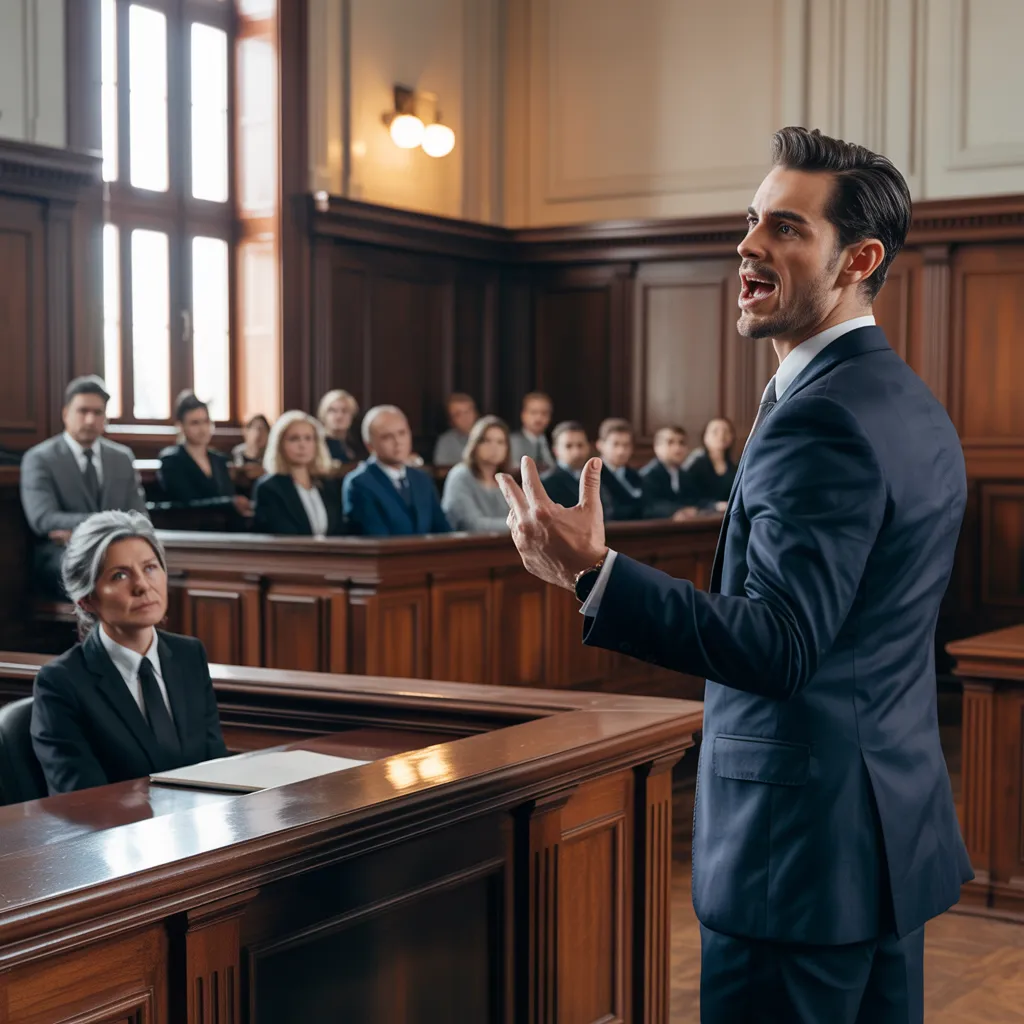
Understanding the Role of a Criminal Defense Counsel
Understanding the responsibility of a criminal defense lawyer is important for anyone navigating the intricacies of the legal system. These legal professionals function as champions for individuals accused of crimes, ensuring that their rights are protected throughout the judicial process. A criminal defense lawyer evaluates the details of a case, investigates evidence, and formulates strategies to contest the prosecution's arguments. They deliver important counsel, assisting clients grasp their options, potential outcomes, and the implications of plea deals.
In addition, these attorneys advocate for their clients in court, offering defenses and negotiating with prosecutors. They work diligently to achieve the most favorable outcomes, whether through dismissal, reduced charges, or exoneration. Their expertise extends to understanding legal procedures, ensuring that the accused traverse the system effectively. Ultimately, a competent criminal defense lawyer plays a important role in protecting the accused's future and pursuing justice.
How Proficiency and Specialization Determine Your Case
When identifying a defense lawyer for criminal cases, the experience and specialization of the attorney can markedly determine the case outcome. An lawyer with wide-ranging experience in criminal legal practice often maintains a deeper understanding of legal nuances, courtroom practices, and negotiation techniques. This familiarity can be imperative in crafting effective defenses and navigating through complicated legal systems.
Specialization constitutes an essential component; lawyers who specialize mainly on criminal defense are considerably more apt to keep abreast of emerging case law and established precedent. For illustration, a counsel handling substance abuse cases will demonstrate knowledge and methods that differ substantially from those pertinent to white-collar crimes.
Moreover, qualified attorneys frequently have established relationships with judges and prosecutors, which can assist more favorable plea deals or outcomes. Therefore, selecting a lawyer with the right balance of experience and specialization can significantly shape both the legal strategy and the final verdict.
Essential Qualities for an Effective Criminal Defense Representative
Determining the core qualities of a effective criminal defense attorney is vital for anyone encountering legal challenges. Primary attributes include established court experience, robust communication skills, and comprehensive legal understanding. These qualities not only enhance the attorney's capacity to advocate effectively but also instill trust in their patrons.
Verified Experience In Judicial Settings
Proven track record in court functions as a pillar for any skilled criminal defense attorney. This track record not only improves an attorney's understanding of courtroom procedures but also provides them with the skills essential to navigate complex legal landscapes. A veteran attorney has likely encountered various case scenarios, allowing them to foresee potential challenges and create effective strategies. Their prior courtroom appearances illustrate a familiarity with judges, opposing counsel, and jury dynamics, which can substantially influence the outcome of a case. Additionally, a robust history in court can foster confidence in clients, assuring them that their defense is in capable hands. Ultimately, an attorney's experience serves as a crucial component in protecting a client's rights and shaping their future.
Powerful Communication Capabilities
Successful courtroom strategies are only a fraction of what makes a criminal defense attorney effective. Effective communication abilities are just as vital, allowing attorneys to clearly express complex legal ideas to clients, juries, and judges. A competent lawyer must listen attentively, making sure they completely grasp their client's requirements and objections while also responding to any questions. This reciprocal communication builds trust, fundamental for developing a strong attorney-client connection. Additionally, influential spoken and written communication skills assist in constructing forceful arguments and delivering evidence convincingly. The ability of a defense attorney to present their case eloquently can significantly affect the outcome, underscoring the necessity of strong communication in navigating the complexities of the legal system and advocating zealously for their clients.
In-Depth Law Proficiency
While strong communication skills are crucial, deep legal knowledge is the foundation of a successful criminal defense attorney. An effective lawyer must possess a thorough understanding of criminal law, including legislation, case law, and procedural rules. This expertise enables them to maneuver through complex legal landscapes, assess the strengths and weaknesses of a case, and devise strategic defenses. Knowledge of local laws and regulations can also provide an edge in negotiations and court proceedings. In addition, an attorney's awareness with legal precedents helps in anticipating the prosecution’s moves, allowing for proactive defense strategies. Ultimately, deep legal knowledge equips a criminal defense attorney to protect clients' rights and advocate effectively, making it a critical quality in the quest for justice.
What Subjects Should You Address to Potential Legal Representatives?
When choosing a criminal defense lawyer, what questions should one stress to guarantee the perfect fit for their case? First, inquire regarding the lawyer's experience with cases matching yours. Comprehending their performance history can give perspective on their effectiveness. Next, question their strategy for your defense and how they intend to approach your case. This will illuminate their analytical skills and readiness.
It's also crucial to review fees and billing methods. Getting costs clear upfront helps prevent misunderstandings later. Additionally, inquire about how you'll stay in touch; knowing how often and in what manner the lawyer will keep you informed is important for building a strong client-lawyer relationship.
Finally, solicit client references and feedback from previous clients. This can supply valuable perspectives on the lawyer's performance and client satisfaction. By asking these pointed inquiries, people can make informed decisions when selecting their legal representation.
Why Customer Feedback Is Critical When Hiring a Legal Professional?
Client testimonials function as an indispensable tool when picking a criminal defense lawyer, delivering valuable insights into their experience and results. These assessments can illustrate an attorney's competence to navigate complex cases and interact productively with clients. In addition, constructive responses can help assess the reliability and credibility of a prospective attorney.
Vision Regarding Experience
Recognizing the intricacies of a criminal defense lawyer's credentials is necessary, particularly when considering the impact of client opinions. Reviews often provide insight into a lawyer's expertise to navigate complex cases and their effectiveness in court. Clients consistently convey their testimonies regarding client relations, case management, and resolutions, which can reveal a lawyer's abilities and gaps. Positive reviews may confirm a lawyer's proficiency in specific areas of criminal law, while negative feedback can raise potential red flags. Additionally, the volume of reviews may substantiate a lawyer's reputation within the legal community. By analyzing this feedback, potential clients can make deliberate decisions, ensuring they choose a lawyer who aligns with their specific needs and expectations for defense.
Dependability Evaluation
Evaluating a lawyer's trustworthiness is crucial in the selection process. Client reviews function as a significant gauge of a lawyer's dependability and integrity. Positive testimonials can indicate a lawyer's ability to communicate effectively, copyright ethical standards, and advocate fiercely for their clients. Conversely, negative reviews may reveal patterns of unprofessional behavior or inadequate representation. Prospective clients should seek out reviews on multiple platforms to obtain a thorough view of the lawyer's reputation. Additionally, personal recommendations from trusted sources can further validate a lawyer's credibility. Ultimately, evaluating client feedback allows individuals to make informed decisions, ensuring they choose a criminal defense lawyer who will protect their rights and future with diligence and integrity.
How Much Do Defense Attorneys Cost?
What establishes the cost of hiring a defense counsel? The rates imposed by defense attorneys can fluctuate considerably based on various elements. Location is crucial; attorneys in metropolitan areas ordinarily charge higher amounts than those in less populated regions. The counselor's background and credibility also determine fees, with veteran professionals often receiving elevated compensation.
Defense lawyers may use different fee arrangements, including per-hour charges, flat fees, or contingency fees, depending on the nature of the case. Hourly rates can range from $100 to $500 or greater, while flat fees could span a few thousand dollars to several tens of thousands, depending on the case's complexity.
Additionally, individuals should consider any additional costs, such as court fees, expert witness expenses, and administrative charges. Understanding these elements can help individuals make well-reasoned choices when choosing a defense attorney.
Teaming Up With Your Attorney for a Strong Defense
Once you've chosen a defense attorney and discussed fees, the subsequent step involves creating a cooperative relationship to construct a robust defense approach. Open communication is vital; clients must provide their lawyer with all relevant information regarding the case. This openness allows the legal professional to create a tailored defense that addresses unique circumstances and obstacles.
Clients are required to actively contribute to the defense strategy by asking inquiries and demanding explanation about legal terminology and procedures. This active participation encourages a fuller grasp of the case and equips clients to make informed decisions.
Additionally, clients should remain open to their legal counsel's insights and recommendations, as experienced attorneys can identify strengths and weaknesses in the defensive strategy. Periodic meetings and communications can further enhance this mutual engagement, ensuring both parties are coordinated in their approach. Ultimately, a powerful alliance between client and attorney is essential for navigating through the complications of the law system and achieving the greatest achievable outcome.
Frequently Asked Questions
Will a Criminal Defense Lawyer Guarantee a Specific Result?
A defense attorney cannot promise a corresponding information outcome. Legal proceedings are uncertain fundamentally, shaped by elements. However, a skilled lawyer can deliver a defense and boost the likelihood of a outcome.
What Choices Do I Have if I Cannot Afford a Lawyer?
If lacking funds for a lawyer, individuals should explore public defenders, legal assistance groups, or free services. They may also think about negotiating payment plans or obtaining help from community resources for law-related assistance.
What Timeframe Should I Anticipate for My Case Resolution?
A case's duration differs significantly, typically ranging from a few months to several years. Elements that affect this schedule encompass case intricacy, court schedules, and the tactics used by the prosecution and defense.
What Will Happen if I Admit My Guilt?
If a person pleads guilty, they ordinarily acknowledge liability for the offense, creating a conviction. This may lead to sentencing, which includes fines, probation, or incarceration, significantly affecting future opportunities and legal standing.
Can I Replace My Attorney While My Case is In Progress?
Yes, a defendant can change their legal counsel during a case. However, this undertaking may require informing the tribunal, possible postponements, and ensuring the replacement counsel is properly briefed about the particulars of the case.